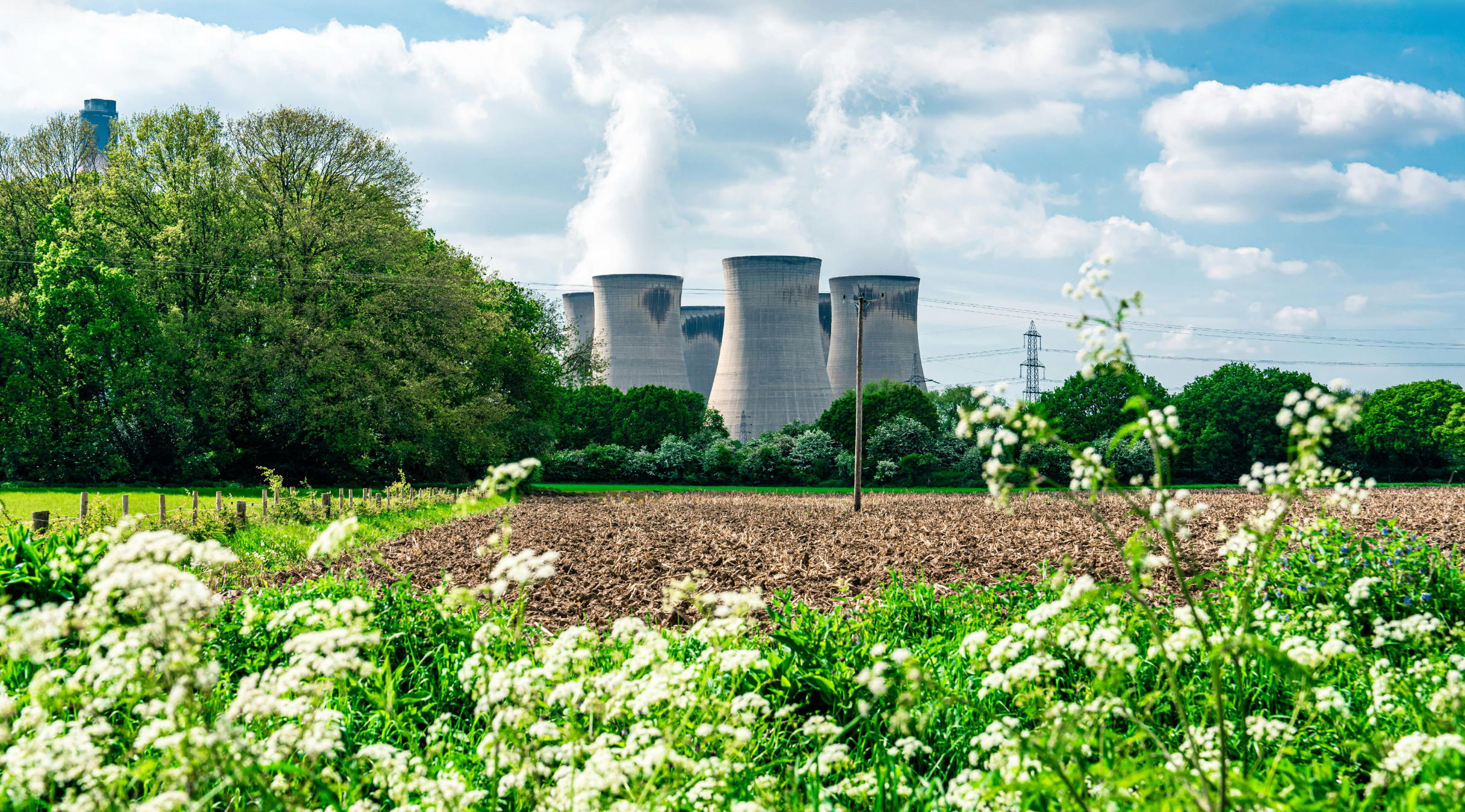
Nuclear Energy and Greece’s Energy Transition
Research Overview
The global energy system is entering a new phase of transition in which clean, reliable and scalable energy sources are becoming central to economic competitiveness and energy security. Nuclear energy is re-emerging globally as countries seek stable sources of low carbon electricity.
Recent technological developments, particularly the emergence of Small Modular Reactors (SMRs), are expanding the potential applications of nuclear energy. These new reactor designs are smaller, modular and easier to deploy than traditional nuclear power plants while maintaining high levels of safety and reliability.
This report examines the technological, economic and strategic factors behind the renewed global interest in nuclear energy and evaluates the potential role of nuclear power in Greece’s long term energy strategy.
Technology Overview
The recent revival of nuclear energy is closely linked to the development of Small Modular Reactors. SMRs are advanced nuclear reactors with a power output typically up to 300 megawatts per unit and are designed to be manufactured in factories and assembled on site.
Their modular design allows for incremental deployment, enabling countries to add capacity gradually as demand grows. A wide range of reactor designs is currently being developed worldwide including water cooled reactors, high temperature gas cooled reactors, molten salt reactors and microreactors.
These technologies aim to improve construction efficiency, operational flexibility and safety while reducing overall deployment costs.
Technological Advantages
SMRs introduce several advantages compared with traditional large scale nuclear power plants.
Their modular construction allows for shorter deployment timelines and lower initial capital requirements. Smaller reactor units also allow energy systems to scale capacity gradually rather than relying on single large projects.
Advanced reactor designs incorporate passive safety systems that rely on natural physical processes such as gravity and natural circulation to cool the reactor without human intervention. Many designs also use advanced fuels and sealed cores that can operate for extended periods without refueling.
Together these characteristics improve the economic viability, operational flexibility and safety profile of nuclear energy.
Opportunity for Greece
Nuclear energy could support several strategic objectives for Greece’s energy system. As electricity demand increases due to electrification and economic growth, nuclear power could provide stable low carbon electricity that complements renewable energy sources.
SMRs could also support industrial decarbonization, providing high temperature process heat for sectors such as cement, steel and petrochemicals. In addition, nuclear energy could support port electrification, desalination and energy supply for remote regions or islands.
By diversifying the country’s energy mix, nuclear power could strengthen energy security and reduce dependence on imported fossil fuels.
The Report
Interested in learning more about our work in nuclear energy for Greece?
The Impact of our Research
On March 10, 2026, at the 2nd Nuclear Energy Summit in Paris, Greek Prime Minister Kyriakos Mitsotakis announced that Greece will explore the inclusion of nuclear energy—particularly Small Modular Reactors (SMRs)—in its national energy mix. He also announced the creation of a high-level ministerial committee tasked with evaluating the role nuclear energy could play in Greece’s energy system and making formal recommendations to the government.
This announcement represents a historic shift in Greek energy policy, opening the door for the country to seriously examine nuclear energy for the first time in decades.
Over the past two years, Deon Policy Institute has played a leading role in bringing nuclear energy into the Greek public policy discussion through research, analysis, and sustained engagement across television, radio, print, and digital media—culminating in Deon’s research on nuclear energy and advanced reactor technologies.
The government’s decision to formally examine nuclear energy demonstrates how rigorous research and sustained public engagement can help shape national policy debates and enable major strategic decisions.
White Paper Authors

Nuclear Physicist & President of Deon Policy Institute

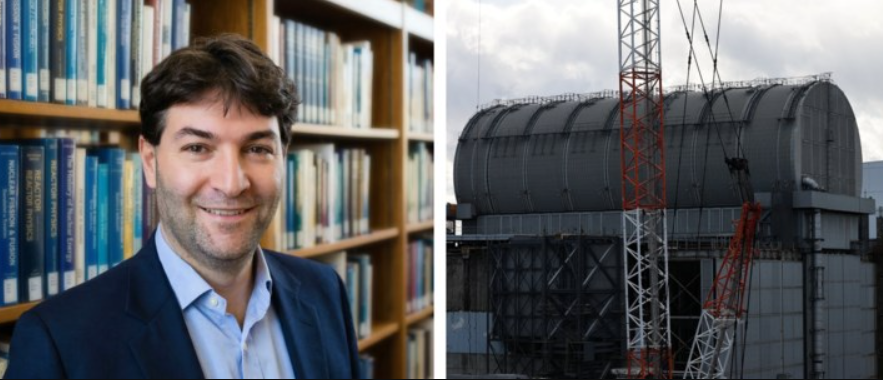
Managing Director and General Partner at IntelliClear

Executive Director of Deon Policy Institute
Related Articles
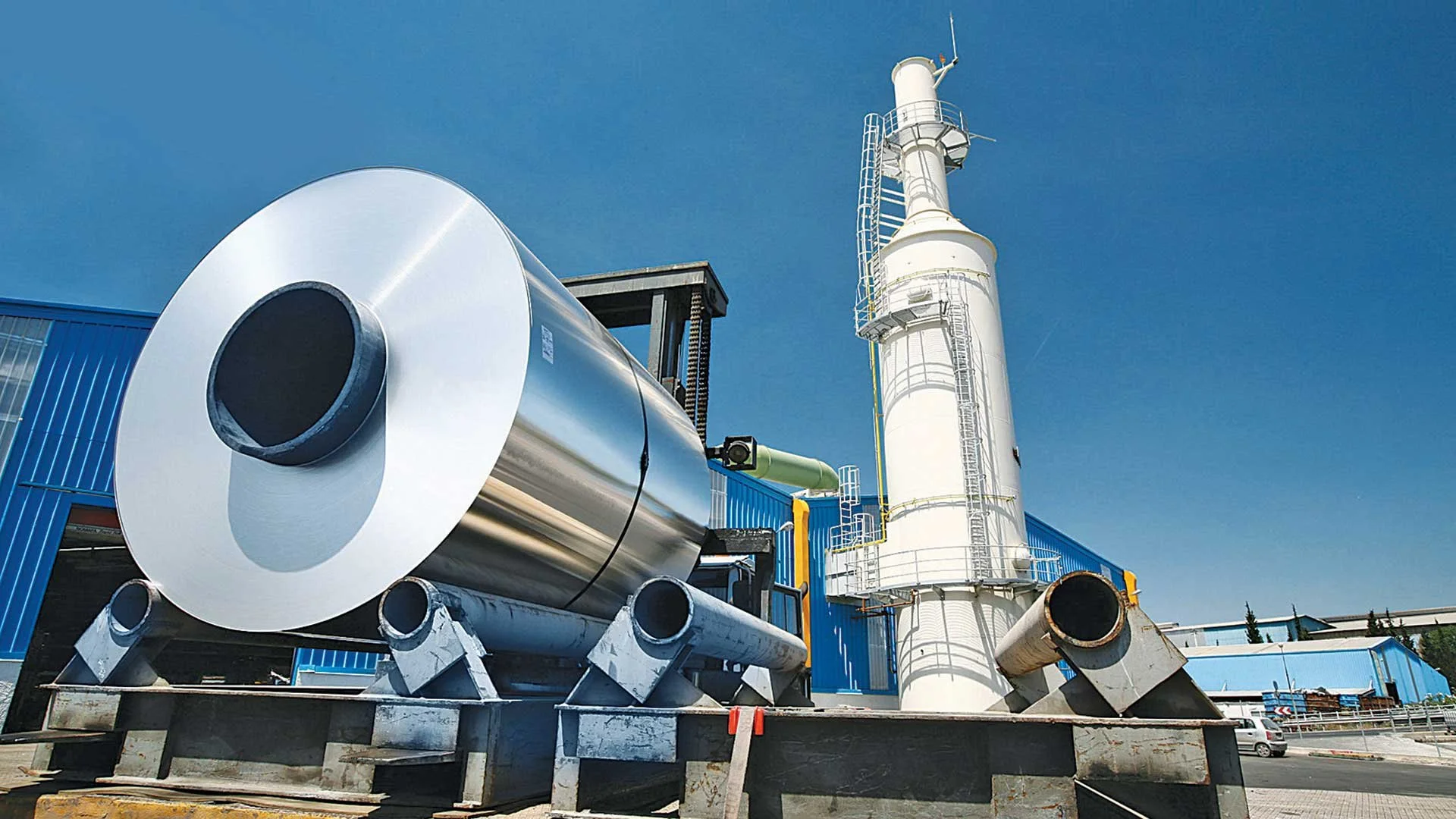
Nuclear Renaissance:
An Article
Kathimerini - 15 March 2026
by Georgios Laskaris and Afroditi Xydi
This recent Kathimerini article traces how nuclear energy in Greece has shifted from a once “unattainable” idea to a serious policy discussion, reflecting a broader global nuclear renaissance.
Featured Articles
-
![]()
Five Pillars for the New Nuclear Age
Apogevmatini - 11 March 2026
by Georgios Laskaris -
![]()
Nuclear Energy and Greece
Ta Nea - 12 March 2026
by Georgios Laskaris -
![]()
How Greece Can Produce Nuclear Energy
New Money - 12 March 2026
by Symela Touchtidou -
![]()
Nuclear Energy: A Unique Opportunity
New Money - 12 March 2026
by Minas Tsamopouloas
-
![]()
Five Prerequisites for a Realistic Strategy
To Vima - 16 March 2026
by Georgios Laskaris
Media Interviews
-
![]()
Nuclear Energy in Greece: Is it Attainable?
Euronews - 11 March 2026
by Symela Touchtidou -
![]()
ERT Radio Interview with Georgios Laskaris
ERTEcho - 12 March 2026
hosted by Andreas Papastamatiou -
![]()
Interview of Georgios Laskaris
Euronews - 11 March 2026
by Symela Touchtidou -
![]()
G. Laskaris on EnergyMag
EnergyMag- 13 March 2026
by Artemis Manti -
![]()
ERT News Interview with G. Laskaris
ERT News
with Ioulia Velissaratou & Christos Nedos -
![]()
Nuclear Energy — A Safe Choice for Greece
The Toc - 15 March 2026
by Dimitris Takis